Reason for the request
Share the practical concern without trying to diagnose risk from a photograph.
Removal planning
Size, targets, access, permissions and the requested finish all shape the estimate.
Before we plan the visit
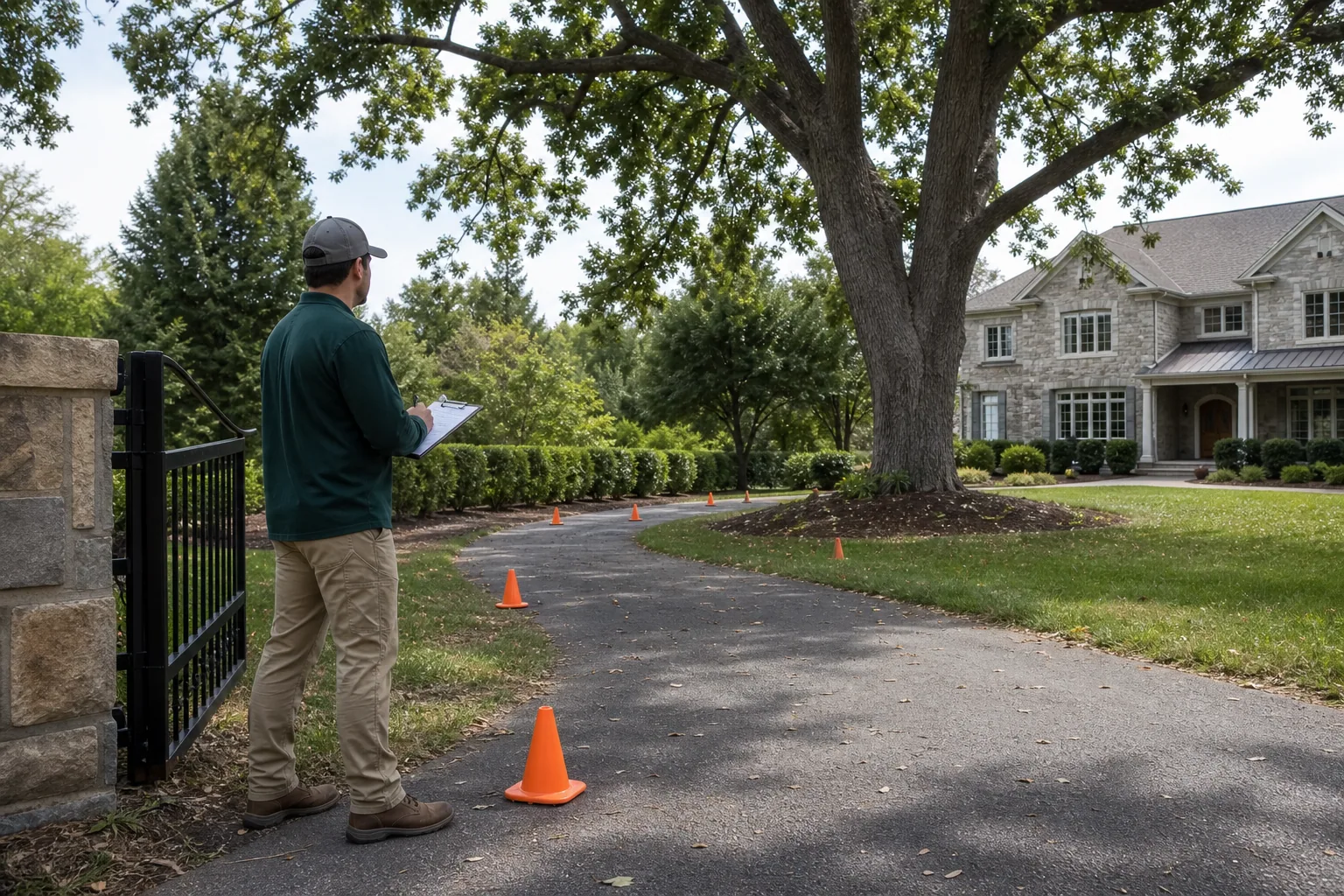
Start with why removal is being considered and what sits around the tree. A full-tree photograph and the route from the street are more useful than one close view of the trunk.
Do not approach unstable trees or utility lines to take photographs. Use the appropriate emergency or utility contact when there is immediate danger.
What we review
Share the practical concern without trying to diagnose risk from a photograph.
Show the whole tree in relation to the home, fences and neighboring property.
Confirm ownership and flag nearby utilities for the appropriate qualified handling.
Include wood, chips, debris and stump choices in the written scope.
From request to finish
The plan stays understandable because each decision is attached to the tree, site and finish it affects.
Share the tree, base, nearby property and access from a safe distance.
We confirm targets, gates, slopes and practical equipment positions.
Each tree, work item and debris choice is set out before approval.
We record the agreed finish and leave the approved debris outcome clear.
Ready when you are
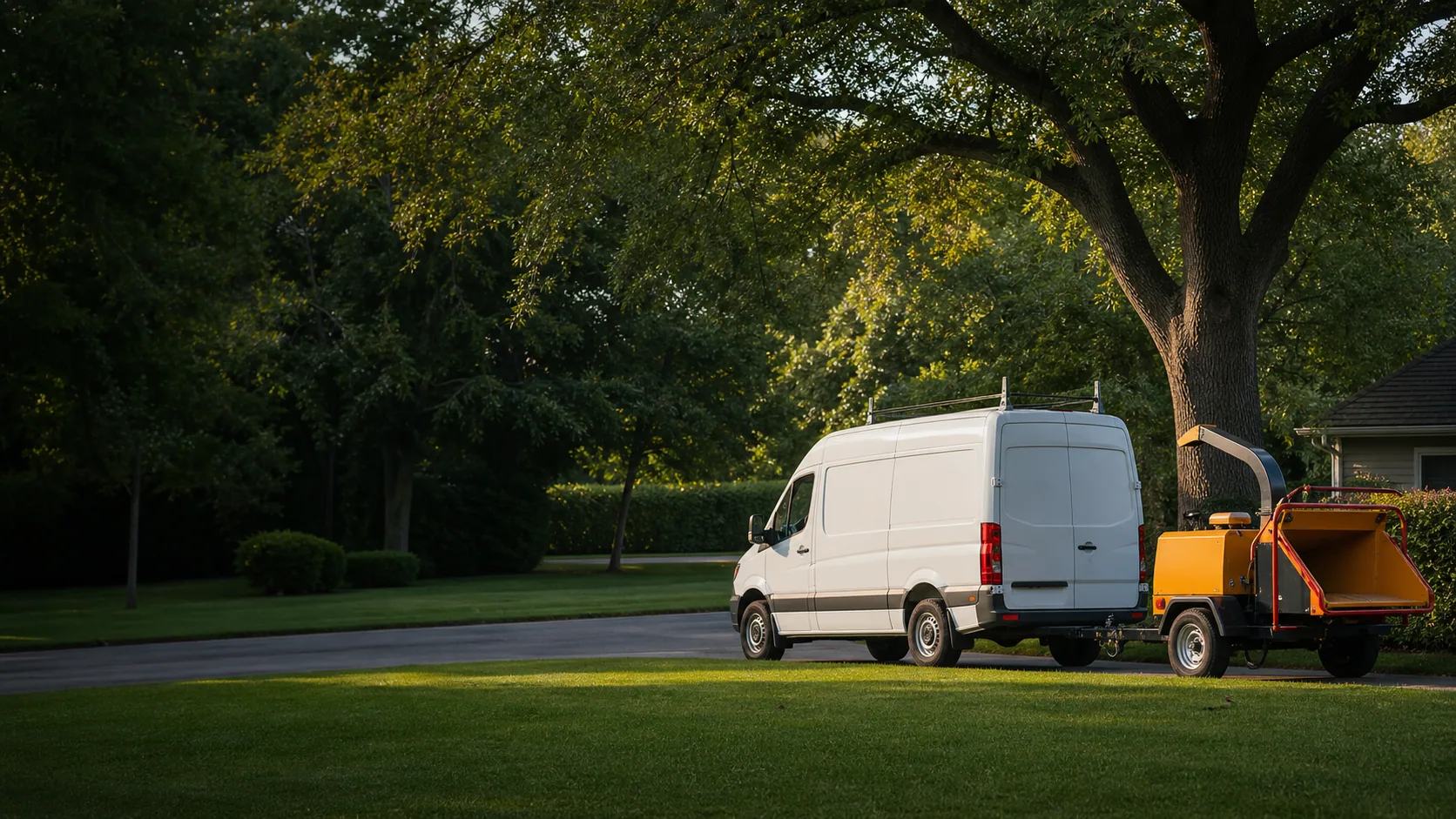
Share the tree, the property and the access around it. We will review the details and explain the next sensible step.