Current danger
Tell us whether people, buildings, roads or utilities are affected.
Storm concerns
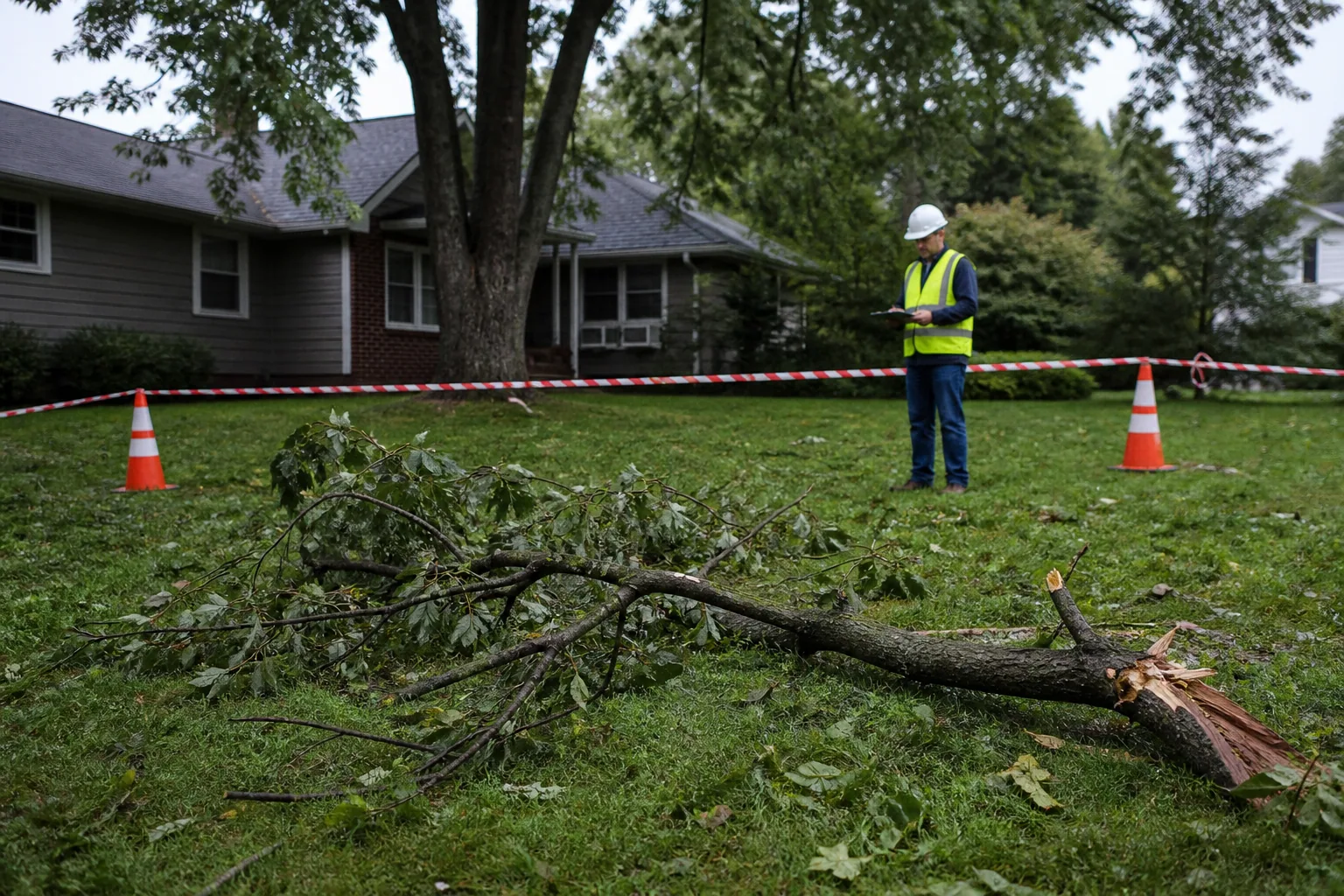
Capture timing, blocked access and nearby property without entering an unstable area.
Before we plan the visit
Storm-related requests need a calm first check. If there is immediate danger, injury, fire, a blocked public road or live utility involvement, contact the appropriate emergency or utility service.
This website does not promise immediate response, utility clearance or insurance advocacy.
What we review
Tell us whether people, buildings, roads or utilities are affected.
Use wide views only from an established safe location.
We determine whether the request belongs with us or a different qualified response.
Conditions may change the timing and equipment plan.
From request to finish
The plan stays understandable because each decision is attached to the tree, site and finish it affects.
Share the tree, base, nearby property and access from a safe distance.
We confirm targets, gates, slopes and practical equipment positions.
Each tree, work item and debris choice is set out before approval.
We record the agreed finish and leave the approved debris outcome clear.
Ready when you are
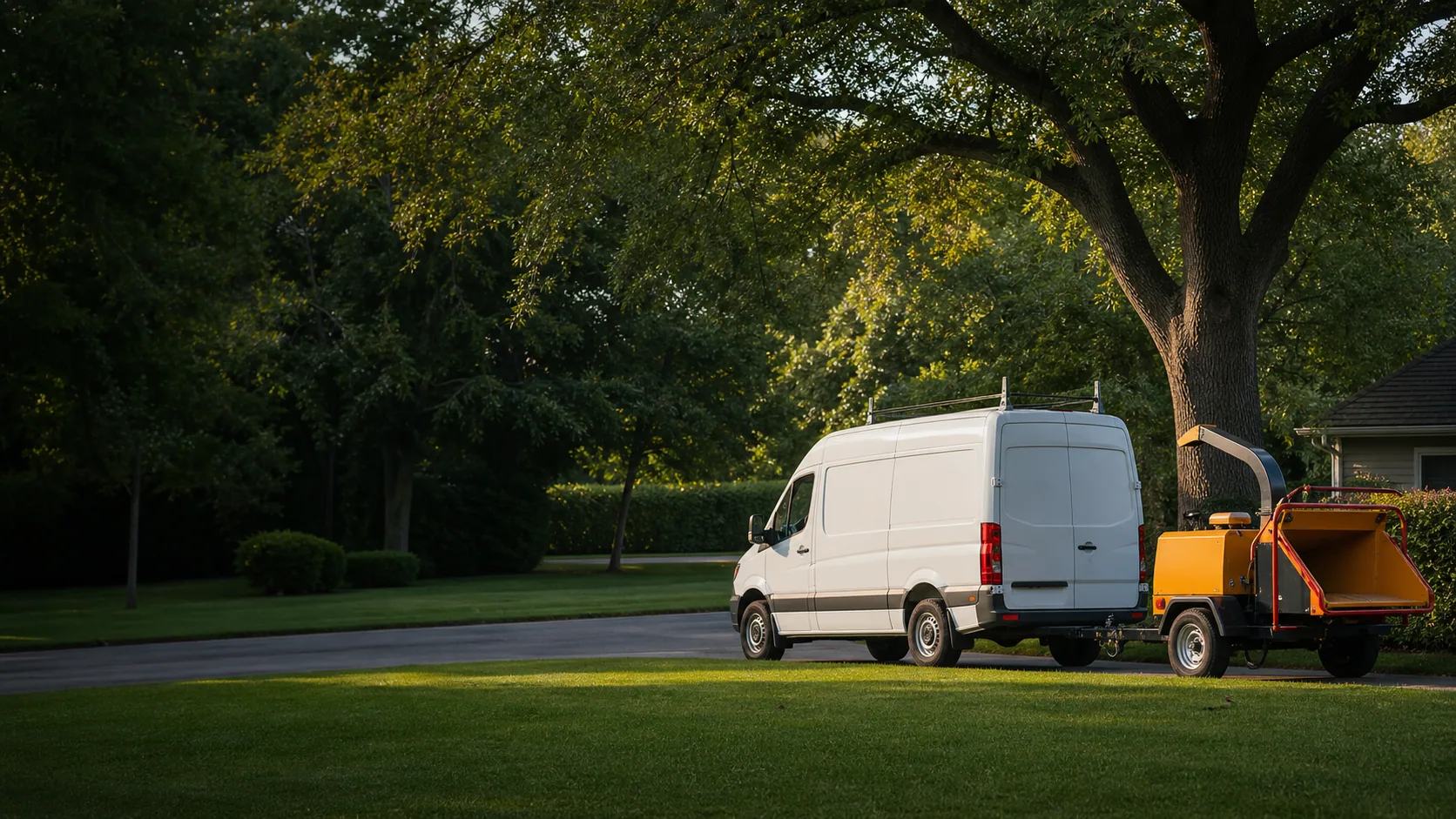
Share the tree, the property and the access around it. We will review the details and explain the next sensible step.