Visible concern
Describe changes in ordinary language and include timing.
Condition concerns
Use safe observations to start the right on-site assessment.
Before we plan the visit
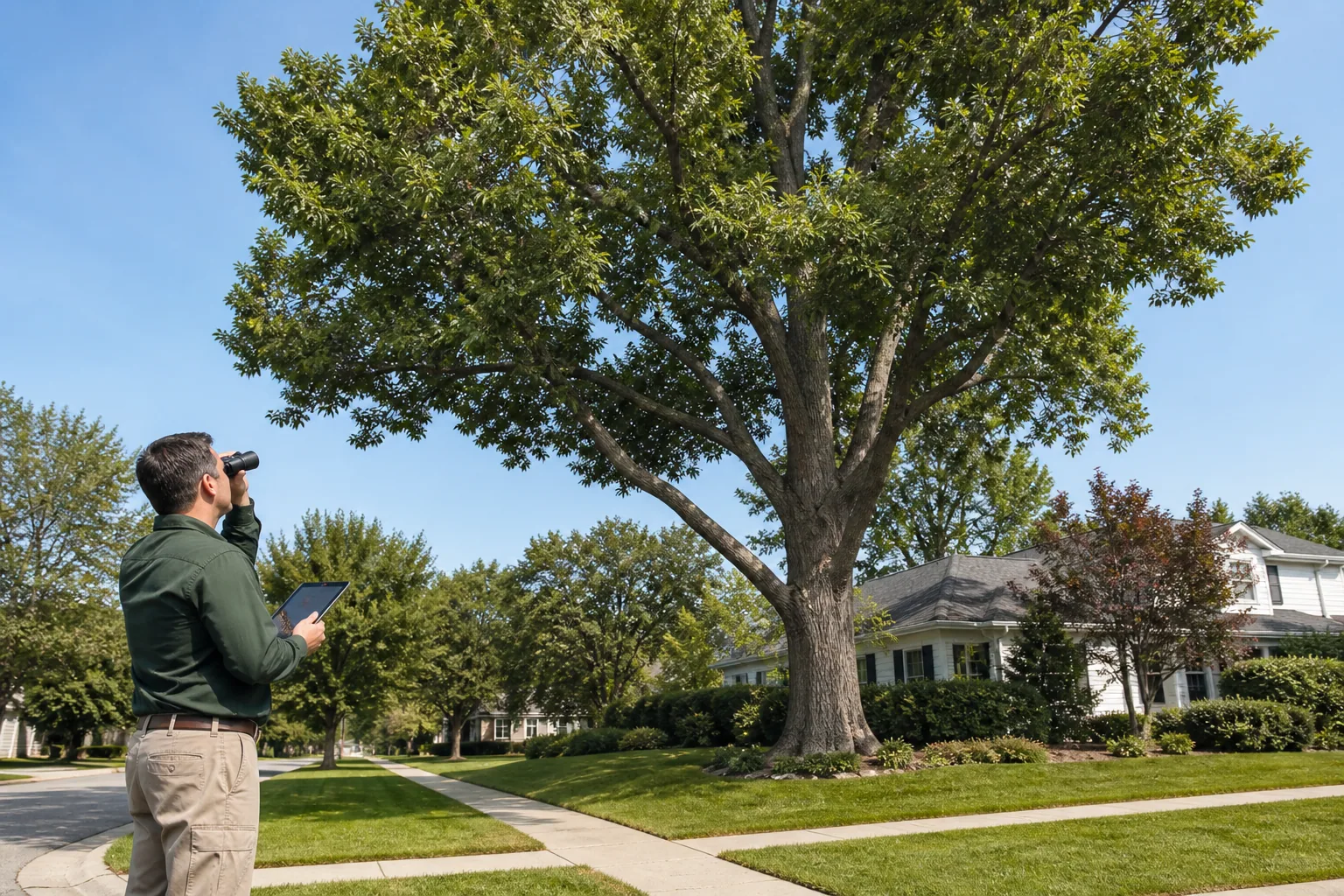
Tell us what you can see, when you noticed it and whether anything has recently changed. Keep conclusions about health, stability or future failure for the appropriate qualified assessment.
No website form can confirm health, stability, hazard or the likelihood of future failure.
What we review
Describe changes in ordinary language and include timing.
Show canopy, trunk, base and nearby targets from a safe distance.
Share paths, play areas, parking and structures around the tree.
The result may be a work proposal, monitoring note or referral.
From request to finish
The plan stays understandable because each decision is attached to the tree, site and finish it affects.
Share the tree, base, nearby property and access from a safe distance.
We confirm targets, gates, slopes and practical equipment positions.
Each tree, work item and debris choice is set out before approval.
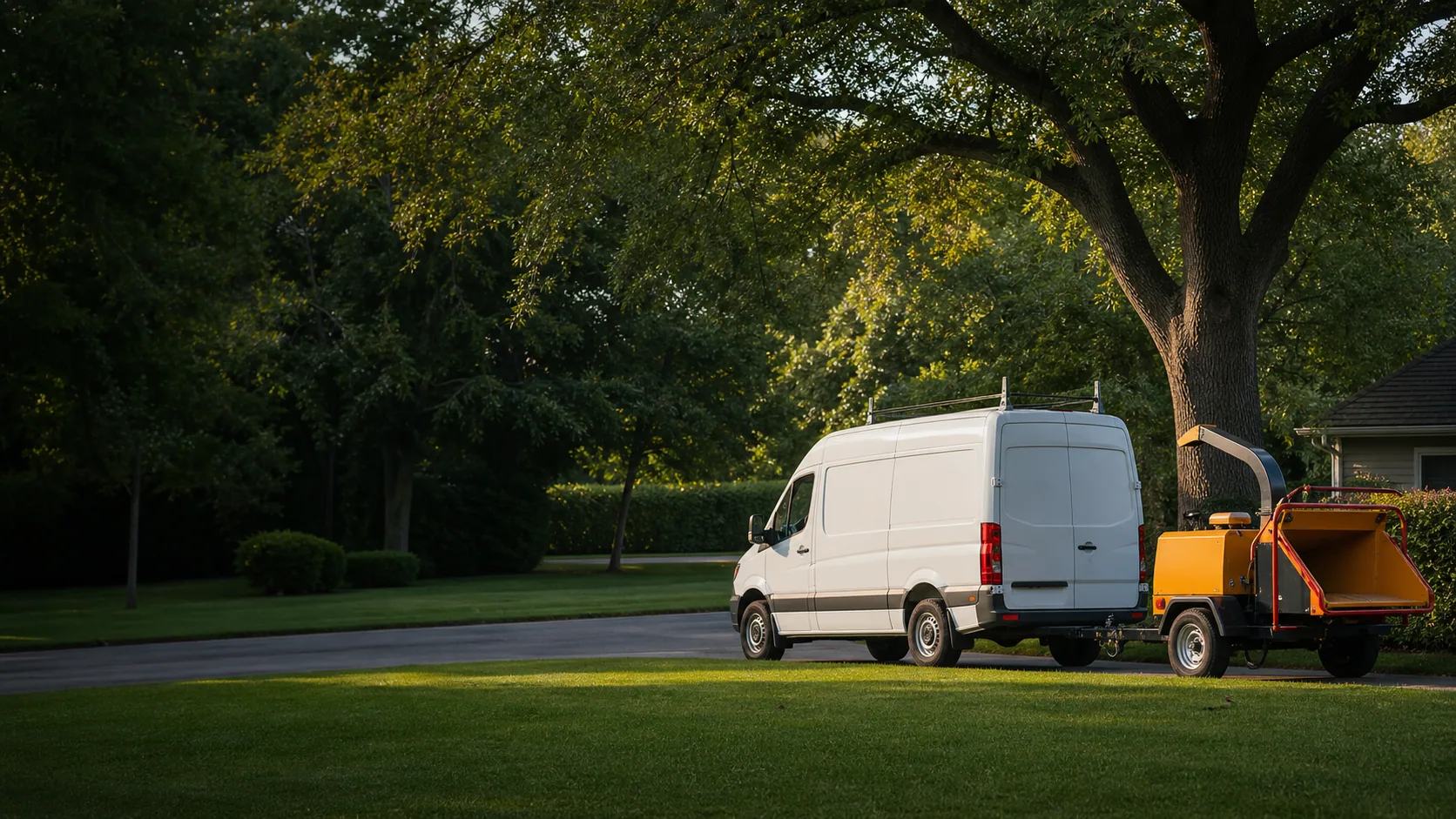
We record the agreed finish and leave the approved debris outcome clear.
Ready when you are
Share the tree, the property and the access around it. We will review the details and explain the next sensible step.